
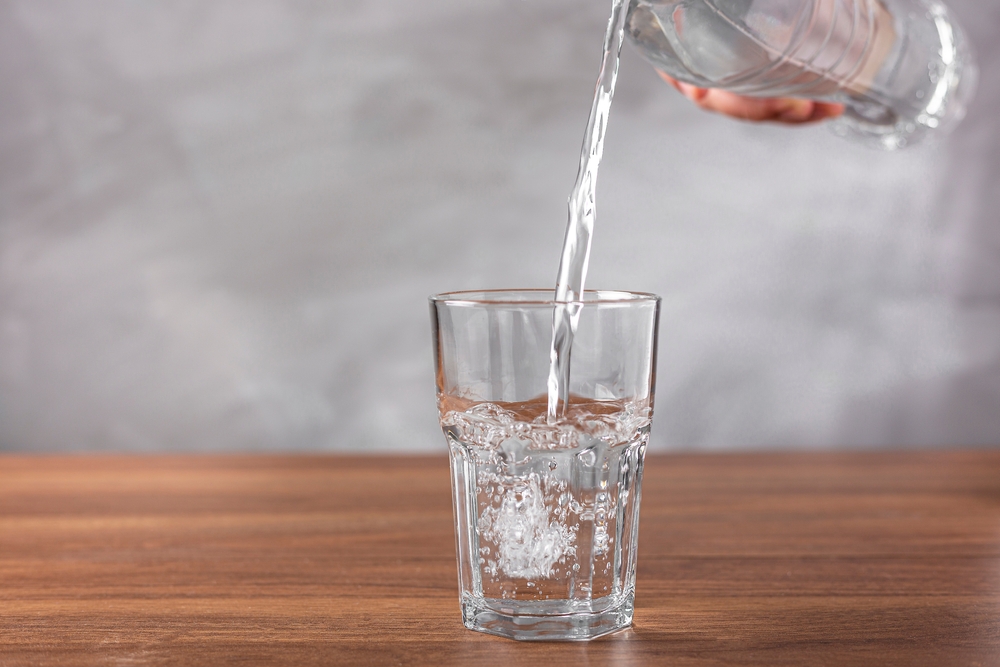
How to Improve Your Home’s Water Quality in Scottsdale, AZ
Living in the Sonoran Desert comes with plenty of advantages, but the water flowing through a Scottsdale home can create its own set of challenges. Mineral buildup on fixtures, spots on glassware, unusual tastes, and dry-feeling skin can all make homeowners wonder whether their water could be improved.
The good news is that improving household water quality does not require guessing. Understanding your water, identifying the specific problems you want to address, and choosing treatment equipment designed for those concerns can produce better results.
Quick answer: Improving your home’s water quality in Scottsdale, AZ typically starts with identifying whether your concerns involve hardness, taste, odor, sediment, or other water characteristics. Depending on the findings, solutions may include water softening, filtration, or drinking water treatment. The right approach depends on your home’s water and what you want to improve.
What local homeowners should know
-
Hard water and mineral buildup are practical concerns worth evaluating in Scottsdale homes.
-
Water treatment equipment should be selected for a specific water-quality problem rather than simply installed because it is popular.
-
Homes in areas such as McCormick Ranch, Gainey Ranch, North Scottsdale, and South Scottsdale may have different plumbing layouts and treatment needs.
-
Point-of-use drinking water treatment and whole-home treatment solve different problems.
-
Testing or evaluating your water first can help prevent spending money on equipment that does not address your actual concerns.
Why Does Water Quality Matter in Scottsdale?
Water quality matters in Scottsdale because the characteristics of local water can affect taste, fixtures, plumbing equipment, cleaning, and the everyday experience of using water throughout a home. Desert conditions also make water a particularly noticeable part of daily life, from drinking and cooking to showers, laundry, and outdoor cleanup.
Mineral deposits can become especially visible on faucets, shower glass, sinks, and other surfaces where water repeatedly evaporates. Homeowners may also notice spotting on dishes or scale around frequently used fixtures.
The right solution depends on what is actually happening in the home.
At WES Water, we help homeowners evaluate their water-quality concerns and consider treatment options appropriate for their household. Our goal is to match the solution to the problem rather than treating every home the same way.
What Does Local Water Information Tell Scottsdale Homeowners?
Local water information can help Scottsdale homeowners understand their water source and reported water-quality characteristics before deciding whether additional household treatment makes sense. The City of Scottsdale publishes water-quality information for residents, making the city itself an appropriate starting point when researching municipal water.
Public water reports and an individual homeowner’s goals are not necessarily the same thing. Water that meets applicable standards can still have characteristics a homeowner would prefer to change, such as hardness, mineral deposits, or taste.
That distinction is important. Household water treatment should focus on the specific qualities you want to improve rather than assuming that every noticeable characteristic indicates unsafe water.
How Can Water Quality Affect Your Scottsdale Home?
Water quality can affect a Scottsdale home through mineral deposits, fixture appearance, cleaning performance, drinking-water preferences, and long-term scale accumulation in water-using areas. These effects may be most noticeable in kitchens and bathrooms, where water frequently contacts glass, metal, tile, dishes, and appliances.
In Maricopa County’s dry desert environment, water left on a surface can evaporate quickly and leave minerals behind. That can mean more frequent cleaning of shower doors, faucets, sinks, and countertops.
Some homeowners are primarily concerned about drinking water. Others want to reduce hardness throughout the house. Identifying which experience bothers you most helps narrow down the appropriate solution.
What Are the Signs Your Home’s Water Could Be Improved?
Common signs that your home’s water could benefit from treatment include visible mineral deposits, persistent spotting, unwanted taste or odor, and scale around frequently used plumbing fixtures. A recurring pattern throughout the home is generally more useful than a single isolated symptom.
Watch for:
-
White or chalky deposits around faucets and showerheads.
-
Persistent spots on glasses and dishes after washing.
-
Scale accumulating on shower doors or bathroom fixtures.
-
Drinking water with a taste or odor you dislike.
-
Mineral residue around sinks and countertops.
-
Repeated cleaning needs caused by water spots.
-
Changes in water appearance, taste, or odor that are unusual for your home.
A sudden or significant change deserves more attention than a condition that has remained consistent for years.
When Should You Call a Water Treatment Professional?
You should call a water treatment professional when water-quality problems are persistent, affect multiple areas of the house, or require equipment beyond basic point-of-use filtration. Professional evaluation is particularly useful before investing in whole-home softening or filtration because different systems are designed to address different water characteristics.
Homeowners can safely monitor visible scale, spotting, taste, and odor. They can also review information supplied by their local water provider.
Where DIY should stop is diagnosing an unknown water-quality problem based only on appearance or buying major treatment equipment without understanding what it is intended to remove or change.
What Common Water Issues Affect Scottsdale Homes?
Common Scottsdale water concerns include hardness-related mineral buildup, taste preferences, sediment concerns, and scale on fixtures and water-using surfaces. The importance of each issue varies by household, plumbing system, water source, and what residents want from their water.
1. Hardness and Mineral Scale
Hardness can contribute to the deposits homeowners see on faucets, shower glass, and other surfaces. A water softener is designed specifically to address hardness.
2. Drinking Water Taste
Some households simply prefer the taste of water after additional treatment. A drinking water system can focus treatment at the location where water is consumed.
3. Sediment or Particulate Concerns
Filtration may be appropriate when the treatment goal involves certain particles or other characteristics that the selected filter is designed to address.
4. Treatment Equipment That Does Not Match the Problem
Not every filter treats hardness, and not every softener is intended to solve drinking-water taste concerns. Matching technology to the water issue is one of the most important parts of choosing a system.
How Can Scottsdale Homeowners Maintain Better Water Quality?
Scottsdale homeowners can maintain better water quality by monitoring changes, keeping treatment equipment maintained, checking high-use fixtures for scale, and replacing service components according to the equipment manufacturer’s requirements. Regular attention is generally more effective than waiting until system performance noticeably declines.
A practical routine can include checking faucets and showerheads for increasing scale, monitoring drinking-water taste, and staying aware of filter or treatment-system maintenance requirements.
Before the hottest part of the year is also a sensible time to make sure household systems are operating as expected. Arizona summers put a premium on having water at home that residents are comfortable drinking and using every day.
What Results Can You Expect From Water Treatment?
The results of water treatment depend on the technology selected and the water characteristic it is designed to address. A properly selected softener may address hardness, while an appropriate drinking water or filtration system may target different concerns at specific taps or throughout the home.
Homeowners should expect realistic, problem-specific results.
For example, treating hardness is different from filtering drinking water. A system that performs one job effectively should not automatically be expected to perform every other type of water treatment.
That is why evaluating the water and defining your priorities should come before selecting equipment.
What Mistakes Should Scottsdale Homeowners Avoid?
Scottsdale homeowners should avoid choosing water treatment based solely on advertising, equipment popularity, or assumptions about what a particular system can do. A better approach is to identify the concern first and then choose technology specifically designed to address it.
Mistake: Assuming every water problem requires filtration.
Consequence: A filter may not address hardness if hardness is the actual concern.
Better approach: Determine whether you need softening, filtration, drinking water treatment, or a combination.
Mistake: Buying equipment before evaluating the water.
Consequence: You may pay for features that do not address your primary concern.
Better approach: Start with the problem you are trying to solve.
Mistake: Ignoring maintenance.
Consequence: Treatment equipment may not continue performing as intended.
Better approach: Follow the applicable maintenance schedule for your system.
Mistake: Treating visible scale only as a cleaning problem.
Consequence: You may repeatedly remove deposits without addressing the hardness contributing to them.
Better approach: Consider whether whole-home hardness treatment fits your goals.
What Is a Common Scottsdale Water-Quality Scenario?
A common Scottsdale scenario is a homeowner who repeatedly cleans white mineral deposits from faucets and shower glass while also noticing spots on dishes. These observations may point toward hardness as an issue worth evaluating rather than simply switching household cleaners.
Suppose a homeowner near Old Town Scottsdale notices recurring deposits in two bathrooms and the kitchen. Because the problem appears wherever water is regularly used, evaluating the home’s water and considering hardness treatment may be more useful than treating each affected surface independently.
This is a representative local scenario, not a specific customer case study.
Which Water Treatment Solutions Can Help?
The most useful water treatment solution is the one designed for the specific water characteristic a homeowner wants to change, which may mean softening, filtration, drinking water treatment, or a combination of approaches. Whole-home and point-of-use systems serve different purposes, so equipment should be selected accordingly.
We can help homeowners determine which type of treatment makes sense for their water concerns and household priorities.
How Do Whole-Home and Drinking Water Options Compare?
Whole-home treatment addresses water entering or moving through the house, while point-of-use treatment focuses on water at a specific location such as a kitchen drinking-water tap. Neither approach is automatically better because the right choice depends on whether your concern affects the entire property or primarily the water you drink.
A homeowner concerned mainly about hardness may prioritize whole-home treatment. Someone focused on drinking-water taste may consider treatment specifically for drinking and cooking water.
Some households may benefit from using different technologies for different purposes.
Where Do We Serve Scottsdale-Area Homeowners?
We help homeowners in Scottsdale and can discuss service availability for nearby communities based on the location and requested water treatment service. Local areas may include neighborhoods such as McCormick Ranch, Gainey Ranch, Old Town, and North Scottsdale, along with nearby parts of the Phoenix metropolitan area.
For service outside the primary area, contact us to confirm availability for your property.
What Can Happen If You Ignore Water-Quality Problems?
Ignoring persistent water-quality concerns can mean continued mineral buildup, more frequent fixture cleaning, ongoing dissatisfaction with drinking water, and continued scale accumulation on water-contact surfaces. For Scottsdale homeowners already seeing recurring deposits, waiting generally means continuing to manage the symptom rather than evaluating its source.
Not every water-quality concern is urgent. However, a persistent problem is worth understanding before purchasing replacement fixtures, repeatedly changing filters, or investing in treatment equipment without a clear plan.
Frequently Asked Questions About Water Quality in Scottsdale
Is Scottsdale water hard?
Hardness is a relevant concern for Scottsdale homeowners, but the exact characteristics of water can vary and should be verified using current local information or testing when treatment decisions depend on them. Visible scale and recurring mineral deposits can be useful reasons to investigate hardness and whether a softener would help.
Why do Scottsdale homes get white buildup on faucets?
White buildup on faucets is commonly associated with minerals left behind as water evaporates. In Scottsdale’s dry climate, these deposits can become especially noticeable on frequently wet surfaces such as faucets, sinks, showerheads, and shower glass. Persistent buildup throughout the home may justify evaluating water hardness rather than relying only on repeated cleaning.
Does a water filter soften hard water?
A standard water filter should not automatically be assumed to soften hard water because filtration and softening are different treatment processes. Scottsdale homeowners concerned primarily about scale and hardness should look at equipment designed specifically for hardness treatment instead of assuming any household filter will provide the same result.
Do I need a whole-home system in Scottsdale?
You need a whole-home system only when your treatment goals apply broadly to water throughout the house. If your main concern is drinking and cooking water, point-of-use treatment may be more appropriate. If hardness or another issue affects bathrooms, kitchens, and fixtures throughout the property, whole-home treatment may make more sense.
Can better water treatment reduce spots on shower glass?
Treating the water characteristic responsible for mineral deposits may reduce hardness-related spotting and scale, although results depend on the specific water and treatment system. Scottsdale homeowners who constantly clean chalky residue from shower glass should consider whether hardness is contributing to the problem before relying exclusively on cleaning products.
Should I test my home’s water before buying treatment equipment?
Evaluating your water before purchasing treatment equipment is a useful way to match the system to the problem you actually want to address. Testing can be particularly valuable when the concern is unclear or when a Scottsdale homeowner is considering a significant investment in whole-home equipment.
Is drinking water treatment different from a water softener?
Yes, drinking water treatment and water softening are designed for different purposes. A softener primarily addresses hardness, while drinking water systems use treatment technologies selected for drinking and cooking water concerns. A Scottsdale household may choose one or both depending on its water characteristics and priorities.
How often should water treatment equipment be maintained in Arizona?
Maintenance frequency depends on the specific equipment, manufacturer requirements, household water use, and treatment configuration. Arizona homeowners should follow the instructions for their installed system rather than relying on a universal schedule. Filters and other service components should be monitored so treatment equipment can continue operating as intended.
Get Water That Better Fits Your Scottsdale Home
Better household water starts with understanding what you want to change and selecting treatment designed for that specific concern. WES Water can help local homeowners evaluate their options without treating every property or water-quality issue the same way.
Improve the Water You Use Every Day
We can help you explore practical treatment options based on your home’s water and your priorities.
Categorised in: Water Quality