
How Hard Water Affects Your Plumbing and Appliances in Scottsdale, AZ
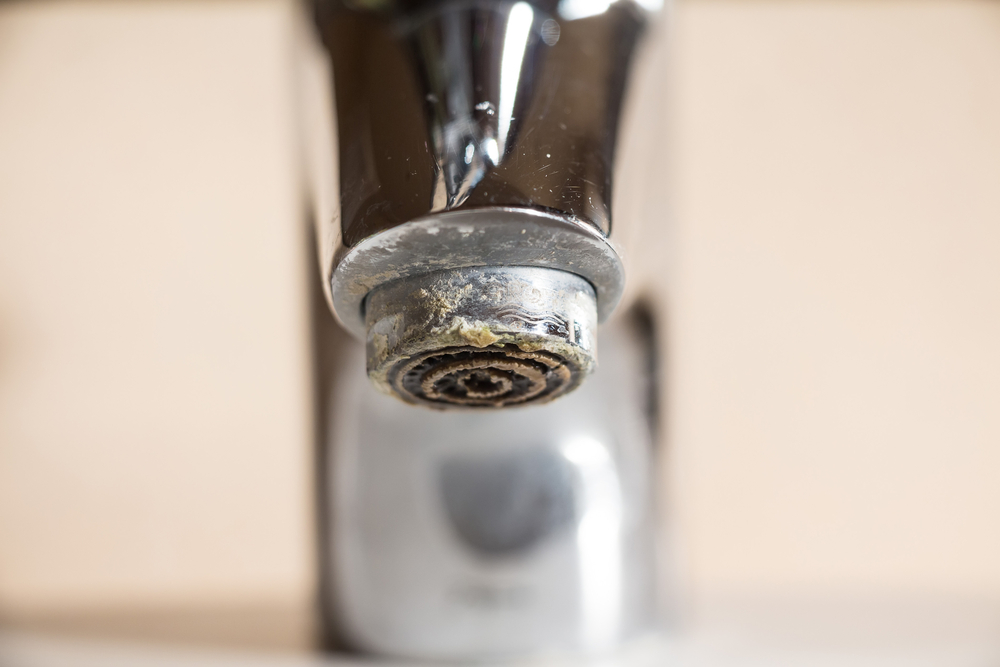
If you live in Scottsdale, the chalky film on your faucets, cloudy spots on glassware, and crust around showerheads are more than routine cleaning annoyances. They are common signs of the mineral-rich water found throughout the Sonoran Desert. Over time, those same minerals can leave scale inside plumbing fixtures and water-using appliances.
Quick answer: Hard water contains dissolved calcium and magnesium that can form mineral scale as water moves through your home. In Scottsdale, that buildup can collect on fixtures, inside water heaters, and in appliances such as dishwashers and washing machines. Hard water is not considered a health risk, but controlling scale can help homeowners protect plumbing performance and appliance efficiency.
What local homeowners should know
-
Scottsdale Water reports that hardness comes primarily from naturally occurring calcium and magnesium picked up as surface water and groundwater move through the environment.
-
The city’s 2026 Water Quality Report lists approximate hardness levels ranging from 13 to 17 grains per gallon depending on the area.
-
Mineral scale can collect on faucets, showerheads, plumbing components, and water-using appliances.
-
Homes from Old Town and South Scottsdale to McCormick Ranch and North Scottsdale can experience hard water, although actual hardness varies by location and water source.
-
Water treatment or conditioning options should be selected based on actual water conditions and household needs rather than visible spotting alone.
Why Does Hard Water Matter in Scottsdale?
Hard water matters in Scottsdale because local water contains enough dissolved calcium and magnesium to create noticeable mineral deposits throughout a home’s plumbing system. The region’s dry Sonoran Desert environment and mineral-rich water sources make scale a familiar maintenance issue for homeowners across the Valley.
Scottsdale Water explains that minerals enter the water naturally as surface water travels toward treatment facilities and groundwater moves through aquifers. The utility also notes that hardness is an aesthetic characteristic rather than a primary drinking-water quality standard.
That distinction is important. Hard water does not automatically mean unsafe water. The concern for homeowners is what those minerals can do after months and years of contact with fixtures and appliances.
At WES Water, we help homeowners evaluate their water conditions and consider solutions designed around the problems they are actually experiencing.
How Hard Is Scottsdale’s Water?
Scottsdale’s water is hard throughout the city, although the approximate level varies by geographic area. According to Scottsdale Water’s 2026 Water Quality Report, reported hardness ranges from about 13 to 17 grains per gallon, or approximately 215 to 290 milligrams per liter, depending on location.
The report lists approximately 13 to 15 grains per gallon south of Indian School Road and 13 to 17 grains per gallon from Indian School Road to Chaparral Road. North of Chaparral Road, the reported range is also 13 to 17 grains per gallon.
Scottsdale Water explains that the city uses multiple surface-water and groundwater sources, so hardness can vary with location, source water, and treatment conditions.
How Does Hard Water Affect Plumbing?
Hard water affects plumbing by leaving calcium-based scale wherever mineral-rich water repeatedly flows, sits, or evaporates. Over time, deposits can accumulate around faucet aerators, showerheads, valves, and other components, potentially restricting flow or making fixtures harder to maintain.
The visible crust around a bathroom faucet is only the easiest example to spot. Similar deposits can form in places homeowners cannot routinely see.
This is especially relevant in homes around areas such as McCormick Ranch, Gainey Ranch, Old Town, and North Scottsdale, where plumbing systems and fixtures can vary significantly in age and design. The presence of hard water does not mean every pipe will become clogged, but ongoing scale is worth monitoring.
How Does Hard Water Affect Your Appliances?
Hard water can affect appliances by allowing mineral scale to develop on components that regularly heat or use water. Water heaters, dishwashers, washing machines, coffee makers, and similar equipment can all encounter mineral deposits over time.
Water heaters deserve particular attention because heating hard water encourages scale formation. Deposits can accumulate within the unit and may interfere with efficient operation.
Dishwashers can also leave homeowners with obvious clues. Cloudy glassware, spotting, and mineral residue may point to hard water rather than a problem with the dishwasher itself. Manufacturer maintenance recommendations should always be followed before using cleaners or descaling products.
What Are the Warning Signs of Hard Water?
The most common warning signs of hard water are white or chalky deposits, recurring water spots, soap scum, and scale around fixtures. In a Scottsdale home, several symptoms appearing together can be a good reason to evaluate water hardness.
Watch for:
-
White or yellowish crust around faucets and showerheads
-
Mineral deposits on faucet aerators
-
Persistent spots or cloudy residue on glasses and dishes
-
Soap scum that quickly returns after cleaning
-
Reduced flow through a heavily scaled showerhead or aerator
-
Scale inside kettles, coffee makers, or other water-heating appliances
-
Recurring mineral residue around frequently wet surfaces
Visible deposits alone cannot tell you everything about your home’s water. Testing provides a better foundation for choosing a treatment approach.
When Should You Call a Water Treatment Professional?
You should call a water treatment professional when mineral buildup is recurring, appliances are showing signs of scale, or you want to determine whether a whole-home solution makes sense. Professional evaluation can distinguish hardness problems from other water-quality or plumbing concerns.
Homeowners can safely clean accessible deposits according to fixture and appliance manufacturer instructions. Scottsdale Water, for example, recommends periodically using white vinegar for certain coffee maker and dishwasher applications and soaking showerheads or faucet aerators to loosen deposits.
DIY maintenance should not replace diagnosis when buildup repeatedly returns, water flow changes significantly, or you are considering installing water treatment equipment.
What Causes Hard Water in the Scottsdale Area?
Hard water in the Scottsdale area is primarily caused by naturally occurring calcium and magnesium entering the water from regional soils, watersheds, and aquifers. The issue reflects the geology and water sources of the Sonoran Desert rather than a failure of the municipal water system.
Scottsdale Water treats water from multiple surface and groundwater sources. As that water moves through the environment, it picks up minerals before reaching treatment facilities.
The utility specifically notes that low rainfall, hot weather, and mineral-rich soils contribute to very hard water conditions in Arizona and the Southwest.
How Can Scottsdale Homeowners Reduce Hard Water Buildup?
Scottsdale homeowners can reduce hard water buildup through regular descaling, fixture maintenance, appliance care, and, when appropriate, water treatment. The right approach depends on whether you want to manage visible deposits or reduce hardness throughout the home.
For routine maintenance, inspect showerheads and faucet aerators for scale and clean them according to manufacturer directions. Address deposits before they become thick enough to restrict flow.
For a broader solution, homeowners may consider professionally evaluated water treatment or softening equipment. A system should be selected according to water conditions, household usage, plumbing configuration, and the homeowner’s goals.
What Results Can You Expect From Water Treatment?
Water treatment designed for hardness can reduce the mineral-related problems homeowners experience throughout the house, but results depend on the system and the water being treated. The goal is typically to reduce or manage hardness before minerals repeatedly reach fixtures and appliances.
Existing scale may not disappear immediately after treatment begins. Fixtures and appliances that already contain deposits can still require cleaning or maintenance.
A properly selected solution can make ongoing mineral management easier, but homeowners should maintain both the treatment equipment and their water-using appliances according to manufacturer requirements.
What Hard Water Mistakes Should Homeowners Avoid?
The biggest hard water mistakes are treating every water problem as hardness, ignoring recurring scale, and purchasing equipment without understanding the home’s actual water conditions.
Mistake: Assuming cloudy dishes automatically mean an appliance is failing.
Consequence: You may replace or repair equipment without addressing the water contributing to the residue.
Better approach: Check for other hardness signs and evaluate the water.
Mistake: Continuously cleaning scale without considering its source.
Consequence: Deposits keep returning throughout the home.
Better approach: Decide whether routine maintenance or whole-home treatment better fits your goals.
Mistake: Choosing equipment based only on advertising or a neighbor’s setup.
Consequence: The system may not match your water use or treatment needs.
Better approach: Base the decision on your home’s water conditions and plumbing.
What Is a Common Hard Water Scenario in Scottsdale?
A common Scottsdale hard water scenario starts with harmless-looking white residue on a kitchen faucet or shower door. The homeowner cleans it regularly but eventually notices similar deposits on showerheads, aerators, glassware, and appliances.
The issue may be particularly noticeable in a household with frequent dishwasher, laundry, and hot-water use. Instead of addressing each symptom separately, the homeowner can evaluate whether managing hardness closer to where water enters the home would provide a more practical long-term approach.
This is a common local scenario, not a specific customer case study.
What Water Treatment Solutions Can Help With Hard Water?
Water treatment solutions for hard water are intended to reduce or manage the calcium and magnesium responsible for scale. The appropriate system depends on the household’s water, treatment goals, available space, plumbing, and maintenance preferences.
We can help evaluate the conditions in your home and discuss options appropriate for addressing mineral buildup. Rather than assuming every property needs the same equipment, the goal should be matching treatment to the problem you want to solve.
Should You Choose DIY Maintenance or Professional Water Treatment?
DIY maintenance is useful for controlling visible deposits, while professional water treatment addresses hardness at a broader household level. Scottsdale homeowners who see only occasional spotting may be comfortable with routine cleaning, while persistent scale throughout several fixtures and appliances may justify evaluating a whole-home solution.
Cleaning showerheads, aerators, and accessible appliance components can manage symptoms. Professional treatment is the more comprehensive option when the goal is reducing the hardness minerals reaching multiple water-using fixtures and appliances.
What Areas Can Experience Hard Water?
Hard water can affect properties throughout Scottsdale and the surrounding northeast Valley because mineral-rich water is a regional condition. Within the city, Scottsdale Water reports different hardness ranges south of Indian School Road, between Indian School and Chaparral roads, and north of Chaparral Road.
Residents in nearby communities such as Paradise Valley and Fountain Hills may also encounter mineral-related water concerns, although water sources and reported hardness should be checked with the appropriate local provider.
What Can Happen If You Ignore Hard Water?
Ignoring hard water can allow mineral deposits to become more difficult to manage and increase scale accumulation on fixtures and inside water-using equipment. The result may include more frequent cleaning, restricted aerators or showerheads, and additional appliance maintenance.
Hard water itself is not considered a health hazard by Scottsdale Water. The practical reason to address it is protecting the performance and condition of the systems that use water every day.
FAQ About Hard Water in Scottsdale
Is Scottsdale water considered hard?
Yes. Scottsdale Water reports approximate hardness levels of 13 to 17 grains per gallon across different parts of the city in its 2026 Water Quality Report. The exact level varies because the municipal system uses multiple water sources and conditions can differ by geographic area.
Is hard water in Scottsdale unsafe to drink?
No, hardness itself is not considered a health risk. Scottsdale Water explains that hardness comes primarily from naturally occurring calcium and magnesium and is not a primary water-quality standard. Hardness is generally a household maintenance concern because of spotting, soap scum, and mineral scale.
Why do Scottsdale faucets develop white crust?
White crust on Scottsdale faucets is commonly mineral scale left behind by hard water. As water evaporates, calcium-based deposits can remain on faucets, aerators, showerheads, and nearby surfaces. Regular cleaning can remove accessible deposits, while water treatment may help homeowners who want to address hardness throughout the house.
Does hard water damage water heaters in Arizona?
Hard water can contribute to mineral scale inside water heaters and other equipment that repeatedly heats mineral-rich water. That buildup can affect appliance performance over time. Arizona homeowners should follow their water heater manufacturer’s maintenance instructions and consider professional evaluation when scale is a persistent household problem.
Why does hard water vary across Scottsdale?
Hardness varies across Scottsdale because the city’s water system uses multiple surface-water and groundwater sources. Scottsdale Water’s published figures differ by geographic area, with separate ranges reported south of Indian School Road, between Indian School and Chaparral roads, and north of Chaparral Road.
Can hard water cause low water pressure?
Hard water scale can restrict individual fixtures and aerators, which may make water flow seem weaker. Scottsdale Water notes that long-term scale can clog faucets, aerators, and, in rare cases, pipes. Significant or sudden pressure changes should be professionally diagnosed because plumbing problems other than hardness can cause similar symptoms.
Will a water softener remove existing scale?
A water softener should not be expected to instantly remove all existing scale from plumbing, fixtures, and appliances. Existing mineral deposits may still require cleaning or appliance maintenance. A hardness-treatment system is primarily intended to change the water being supplied going forward, so expectations should be based on the specific equipment installed.
How do I know if my Scottsdale home needs hard water treatment?
Your Scottsdale home may benefit from an evaluation if you repeatedly see mineral crust, spotted dishes, scaled showerheads, or deposits in water-using appliances. Visible symptoms provide clues, but testing and an assessment of household water use can provide a stronger basis for deciding whether treatment is worthwhile.
Protect Your Plumbing and Appliances From Scottsdale’s Hard Water
Hard water is part of living in the Sonoran Desert, but recurring mineral scale does not have to be something you simply accept. We can help you understand your home’s water conditions and explore practical options for reducing hardness-related buildup.
Get a Water Solution Designed for Your Scottsdale Home
Start with your actual water conditions so you can choose a solution that fits your household, plumbing, and goals.
Categorised in: Water Softening