
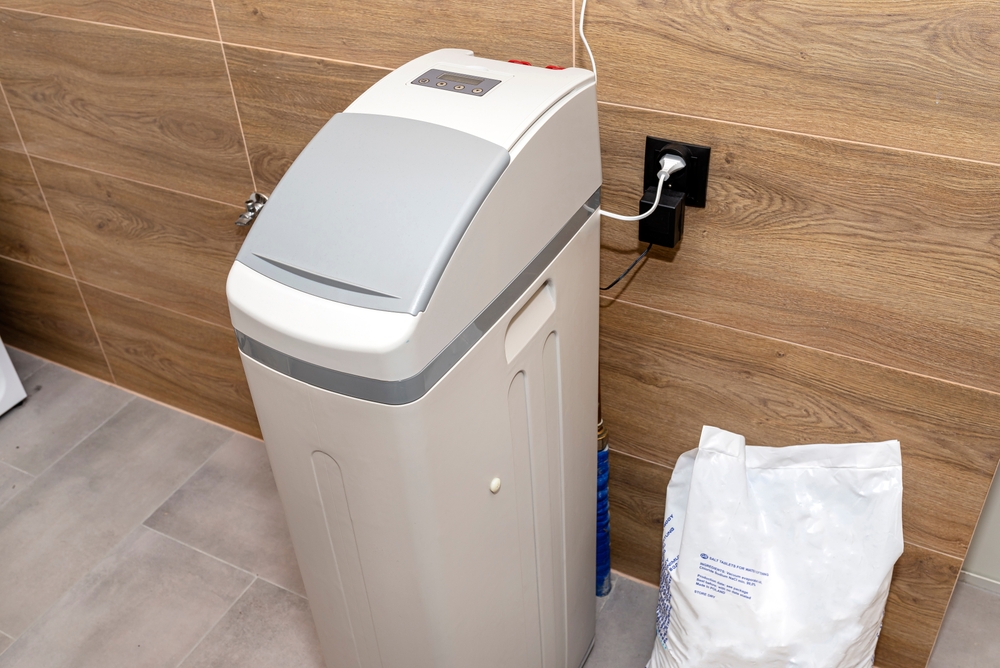
Do You Need a Water Softener in Scottsdale, AZ? Benefits for Your Home
If you have noticed chalky residue around faucets, cloudy spots on glassware, or stubborn buildup on shower doors, your water may be the reason. Hard water is a common part of daily life in Scottsdale, AZ, and its effects can show up throughout a home, from bathroom fixtures to water-using appliances.
The good news is that hard water is not considered a health concern. However, homeowners who want to reduce mineral buildup, improve soap performance, and protect plumbing fixtures may benefit from installing a water softener.
Quick answer: A water softener can be worthwhile for Scottsdale homeowners because local tap water contains significant levels of naturally occurring calcium and magnesium. According to the City of Scottsdale’s 2026 Water Quality Report, approximate hardness ranges from 13 to 17 grains per gallon in much of the city, with some variation by location. A properly selected softener can reduce hardness minerals before they circulate through your home’s plumbing.
What local homeowners should know
-
Hard water contains dissolved calcium and magnesium that can leave mineral scale on fixtures, plumbing components, and water-using appliances.
-
The City of Scottsdale reports different hardness ranges north and south of major roads such as Indian School Road and Chaparral Road.
-
Hard water is generally an aesthetic and maintenance issue rather than a drinking-water health concern.
-
Homes in areas such as Old Town, McCormick Ranch, Gainey Ranch, and North Scottsdale can experience visible mineral deposits even when municipal water meets drinking-water standards.
-
Water softening primarily addresses hardness minerals. It should not be confused with filtration systems designed to address taste, odor, sediment, or other water-quality concerns.
Why Does Hard Water Matter in Scottsdale Homes?
Hard water matters in Scottsdale homes because calcium and magnesium can gradually create scale anywhere water repeatedly flows, heats, evaporates, or dries on a surface.
The City of Scottsdale explains that water becomes hard as surface water travels to treatment plants and groundwater moves through local aquifers, picking up naturally occurring minerals along the way.
The city’s 2026 Water Quality Report lists approximate hardness levels of 13 to 15 grains per gallon south of Indian School Road and roughly 13 to 17 grains per gallon from Indian School Road northward. That means mineral buildup is not unusual for local property owners.
Scottsdale also receives water from multiple sources. About 90 percent of the city’s drinking-water supply comes from surface water associated with the Central Arizona Project and Salt River Project, while groundwater provides a smaller portion of the supply.
Because water sources and treatment conditions can vary, hardness may differ somewhat depending on where your property is located.
WES Water helps local homeowners evaluate water-treatment options based on the conditions affecting their property. We can help determine whether softening, filtration, or another approach makes sense rather than assuming every home needs the same equipment.
What Are the Main Benefits of a Water Softener?
The main benefits of a water softener are reduced scale buildup, easier cleaning, improved soap performance, and less exposure of plumbing fixtures and appliances to hardness minerals.
Calcium and magnesium often become most noticeable when water evaporates. That is why white or cloudy deposits commonly appear around faucets, showerheads, glass doors, sinks, and tile.
Reducing hardness can help homeowners spend less time scrubbing these deposits. Softer water can also allow soaps and detergents to lather more easily, which may improve the experience of washing dishes, doing laundry, and bathing.
Another benefit involves appliances that regularly heat or move water. Water heaters, dishwashers, washing machines, coffee makers, and similar equipment can encounter mineral deposits over time. A softener reduces the hardness minerals entering these systems, although it cannot reverse every existing problem or guarantee a specific appliance lifespan.
What Are the Warning Signs That You May Need a Water Softener?
The clearest signs that you may benefit from a water softener are recurring mineral deposits and cleaning problems that return shortly after you remove them.
Watch for these common signs around your home:
-
White, crusty buildup develops around faucets and showerheads.
-
Glass shower doors quickly become cloudy or spotted.
-
Dishes or glasses show mineral spots after drying.
-
Soap or shampoo seems difficult to lather.
-
Bathroom tile and fixtures require frequent descaling.
-
Mineral deposits repeatedly form inside kettles or other water-heating appliances.
-
Laundry feels different even after adjusting detergent amounts.
-
Scale becomes visible around plumbing connections or water-using fixtures.
These symptoms do not automatically mean that a softener is the only solution. Testing the water and looking at the specific issue can prevent homeowners from purchasing treatment equipment that does not address their actual concern.
When Should You Call a Water Treatment Professional?
You should call a water treatment professional when mineral buildup is persistent, you are considering whole-home equipment, or you are unsure whether hardness is actually causing the problem you want to solve.
Homeowners can safely monitor water spots, fixture scale, soap performance, and similar signs. You can also review the City of Scottsdale’s published water-quality information for general conditions in your part of town.
Professional evaluation becomes more useful before purchasing or replacing a whole-home treatment system. The size of the household, water usage, plumbing configuration, hardness level, and treatment goals can all affect equipment selection.
This is especially relevant for larger homes in North Scottsdale or properties with multiple bathrooms, because treatment capacity should match actual household demand rather than relying on a one-size-fits-all recommendation.
What Causes Hard Water in the Scottsdale Area?
Hard water in the Scottsdale area is primarily caused by naturally occurring calcium and magnesium that dissolve into surface water and groundwater before the water reaches your home.
Several local factors help explain why residents encounter these minerals.
1. Naturally mineral-rich water sources: Water can collect dissolved minerals as it travels through the environment and local aquifers.
2. Multiple municipal water sources: The city’s supply includes Colorado River water delivered through the Central Arizona Project, Salt and Verde River water associated with the Salt River Project, and groundwater.
3. Water-source variation: Because different parts of the distribution system can receive different water blends, hardness is not necessarily identical from McDowell Road to North Scottsdale.
4. Desert evaporation: Arizona’s hot, dry climate makes deposits particularly noticeable on surfaces where water droplets evaporate and leave minerals behind.
Hardness does not mean municipal water is unsafe. The City of Scottsdale specifically identifies hardness as an aesthetic concern rather than a primary drinking-water health standard.
How Can You Reduce Hard Water Problems?
You can reduce hard water problems by combining routine scale removal with a properly selected softening system when ongoing mineral buildup is affecting the entire home.
For minor deposits, regularly cleaning showerheads, faucets, and other affected surfaces can keep scale from becoming difficult to remove. Following appliance-manufacturer cleaning instructions can also help manage deposits in certain household equipment.
A whole-home water softener takes a different approach. Instead of repeatedly removing visible deposits after they appear, the system treats hardness minerals before water travels to many fixtures and appliances.
Homeowners should avoid assuming that a water softener solves every water-quality complaint. If your main concern involves chlorine taste, sediment, odor, or another characteristic, you may need filtration or a different treatment method.
What Results Can You Expect From a Water Softener?
A properly functioning water softener should noticeably reduce hardness-related scale and change how water interacts with soaps, fixtures, and surfaces throughout the home.
You may notice fewer mineral spots, easier soap lathering, and less recurring scale on frequently cleaned fixtures. Results will depend on the original hardness level, equipment settings, household demand, and whether existing mineral deposits are already present.
A softener also requires maintenance. Depending on the type of system, that may include monitoring salt levels, keeping the brine tank in good condition, and scheduling service when performance changes.
What Mistakes Should Scottsdale Homeowners Avoid?
The biggest mistake Scottsdale homeowners can make is buying water-treatment equipment before identifying exactly what they want to change about their water.
Mistake: Assuming every water problem is caused by hardness.
Consequence: A softener may not address concerns such as chlorine taste or sediment.
Better approach: Identify the problem first, then choose the treatment method.
Mistake: Choosing equipment based only on purchase price.
Consequence: An undersized or poorly matched system may not perform as expected.
Better approach: Consider hardness, household size, water consumption, and maintenance requirements.
Mistake: Ignoring ongoing maintenance.
Consequence: Performance may decline even when the equipment itself is appropriate.
Better approach: Follow the recommended maintenance schedule for your specific system.
What Is a Common Local Hard-Water Scenario?
A common local scenario is a homeowner who repeatedly cleans white scale from bathroom fixtures only to see it return soon afterward.
For example, a property owner near the Chaparral Road corridor may notice deposits on shower glass, faucets, and sinks despite regular cleaning. Because city data shows significant hardness in this part of the service area, testing may confirm that reducing calcium and magnesium is an appropriate treatment goal.
This is a representative local scenario, not a specific WES Water customer case study.
Which Water Treatment Solutions Can Help?
Water softeners are the primary treatment solution for reducing calcium and magnesium hardness, while filtration systems may address different concerns.
A professional water assessment can help separate hardness problems from taste, odor, sediment, or other water-quality issues. Some homes may benefit primarily from softening, while others may require a different system or combination of treatment technologies.
Should You Choose DIY Treatment or a Whole-Home Water Softener?
A whole-home water softener is generally the more comprehensive option when hardness affects multiple bathrooms, appliances, and fixtures, while DIY cleaning products are better suited to managing individual deposits.
Cleaning scale can improve the appearance of a faucet or shower door, but it does not change the hardness of incoming water. The deposits can simply return.
A whole-home system treats water before it reaches many points of use. The better option depends on whether you are dealing with an occasional cleaning inconvenience or a recurring property-wide issue.
What Areas Can Benefit From Hard Water Treatment?
Hard water treatment can benefit homes throughout Scottsdale and surrounding parts of Maricopa County where mineral buildup creates ongoing maintenance concerns.
Homeowners from Old Town and the McDowell Road corridor to McCormick Ranch, Gainey Ranch, and North Scottsdale may encounter different hardness levels depending on their water source and location. The right treatment approach should be based on the individual property.
What Can Happen If You Ignore Hard Water?
Ignoring hard water can allow mineral scale to continue accumulating on fixtures and inside water-using equipment, increasing cleaning demands and potentially contributing to maintenance issues.
The most immediate cost is often time spent removing deposits from shower glass, faucets, sinks, and appliances. Over longer periods, mineral accumulation may also affect components that regularly heat or move water.
Hard water is not an emergency, but homeowners who are already seeing recurring scale may find it easier to address the water itself rather than continually treating the symptoms.
Frequently Asked Questions About Water Softeners
Is Scottsdale water considered hard?
Yes. City water-quality information shows substantial levels of calcium and magnesium hardness throughout Scottsdale. The 2026 Water Quality Report lists approximate hardness ranging from about 13 to 17 grains per gallon depending on location, which can contribute to scale, water spots, and other common hard-water symptoms.
Is hard water in Scottsdale unsafe to drink?
No. The City of Scottsdale states that hardness is not considered a health risk or a primary water-quality standard. Hardness mainly creates aesthetic and maintenance concerns, including mineral deposits and reduced soap lathering. A water softener is generally installed for household performance and convenience rather than drinking-water safety.
Why does water hardness vary across Scottsdale?
Water hardness can vary because the city’s drinking-water system uses multiple water sources and serves a large geographic area. The municipal supply includes Central Arizona Project water, Salt River Project water, and groundwater. The city publishes different approximate hardness ranges for areas divided by Indian School Road and Chaparral Road.
Will a water softener remove chlorine from Scottsdale tap water?
A standard water softener is designed primarily to reduce hardness minerals, not necessarily chlorine. If chlorine taste or odor is your main concern, filtration may be more appropriate. A water assessment can help determine whether your home needs softening, filtration, or a combination designed around your specific goals.
Do homes in North Scottsdale need larger water softeners?
Not necessarily. Equipment size should be based on water hardness, household water use, number of occupants, and system design rather than location alone. Larger North Scottsdale homes with several bathrooms may have greater peak demand, but the correct capacity should be calculated for the individual property.
Can a water softener prevent spots on shower glass?
A water softener can significantly reduce the hardness minerals responsible for many recurring mineral spots, although it may not eliminate every type of residue. Existing scale will also need to be cleaned separately. Once hardness is reduced, many homeowners find routine fixture and shower-glass cleaning easier.
Does a water softener waste water in Arizona?
Water softeners use some water during regeneration, so proper sizing and efficient operation matter in Arizona’s desert environment. Choosing equipment that matches household demand can help avoid unnecessary regeneration. Scottsdale also emphasizes responsible water use because the community operates within an arid regional water system.
How do I know whether I need softening or filtration?
The best choice depends on what you want to change. If your main problems are scale, mineral spots, and poor soap performance, hardness treatment may be appropriate. If you are concerned about taste, odor, chlorine, or sediment, filtration may be more relevant. Testing and professional evaluation can clarify the difference.
Make Hard Water Easier to Manage at Home
Hard water is part of the local water picture, but recurring mineral buildup does not have to become part of your cleaning routine. Understanding your home’s actual water conditions is the first step toward choosing treatment that fits your property and priorities.
Get a Water Treatment Solution Built for Your Scottsdale Home
We can help you determine whether a water softener or another treatment option makes sense based on your household and water concerns.
Categorised in: Water Softening